Sittensen, January 2026
Sometimes it is discovered entirely by chance: during a pre-purchase examination or the annual vaccination appointment, the vet detects a heart murmur. For many horse owners, this finding is an immediate cause for concern. Does it mean that something is wrong with the heart, or that the horse can no longer be ridden? In fact, that is rather rare. “Many horses live with low-grade findings without any problems at all,” explains Dr. Sonja Weiß, a specialist veterinarian at the Hanseklinik für Pferde. “What matters is identifying the cause so that the risk can be assessed on a sound basis.”
In recent years, awareness of heart health in horses has grown considerably, partly because modern diagnostics now give more precise insight into how the cardiovascular system works. Heart disease can show itself as poor performance and noticeably reduce a horse's performance capacity. Typical signs include declining fitness, rapid fatigue, sudden drops in performance or an irregular pulse. Some horses appear sluggish, cough during exercise or take longer to recover after training.
The most common heart conditions in horses are leaking heart valves and arrhythmias such as atrial fibrillation. They usually result from age-related or training-related changes, are mild in many cases or are only discovered by chance. Arrhythmias are somewhat more common in Thoroughbreds and trotters, because intensive exercise places a greater load on their cardiovascular system. High-performance horses also more often show training-associated adaptations of the heart muscle, which in individual cases can lead to functional changes.
“Horses can compensate for heart disease for a long time. That is why an examination is worthwhile even before clinical signs appear,” says Dr. Weiß. Small changes in breathing, pulse or willingness to perform can also be early indicators. In advanced heart failure, fluid often accumulates under the belly or on the chest; in rare cases, weight loss or a prominent pulse wave in the jugular vein can also occur. Clear signs like these should always be examined by a vet.
The Hanseklinik für Pferde offers several modern methods for examining the cardiovascular system. The clinical examination, which includes checking the pulse, mucous membranes, circulation and heart and lung sounds, is followed by further cardiological examinations. These include cardiac ultrasound (echocardiography) to assess the structure and function of the heart, exercise and long-term ECGs to record heart rate and arrhythmias and, if needed, blood tests to assess cardiac markers, electrolyte balance and metabolic parameters. This combination allows a reliable assessment of whether a heart problem exists, how significant it is and how much the horse can be worked in the future.
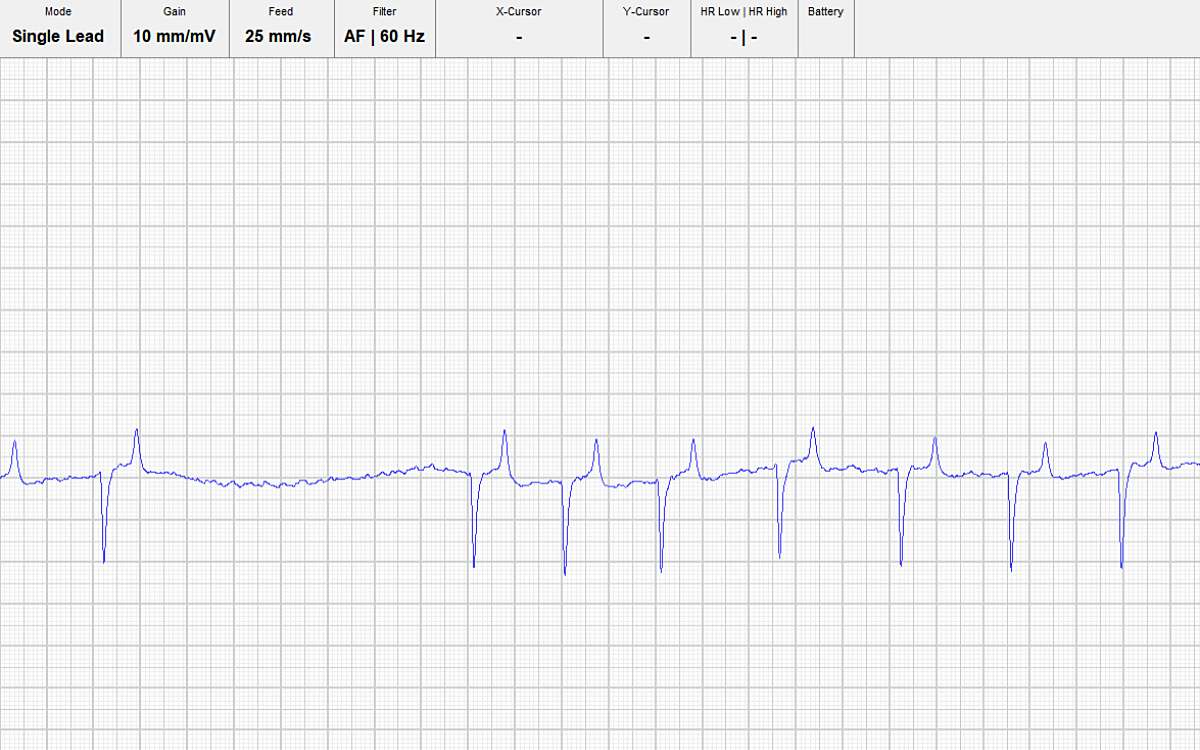
Treatment depends on the cause. Atrial fibrillation can be treated with electrical or pharmacological cardioversion. For valve insufficiency, cardiac medication is used depending on the severity. In many cases, the findings can be kept stable, even though a complete cure is not always possible.
“Not every horse with a heart murmur needs to be rested,” explains Dr. Weiß. “What matters is the individual assessment by the vet. Mild changes often still allow adapted training or use as a leisure horse.” Regular follow-up examinations help to detect changes early and adjust the training level in good time.
Balanced training management, sufficient recovery periods, species-appropriate housing and good feeding are the best basis for a healthy heart. The Hanseklinik also recommends having the heart listened to regularly during routine checkups or vaccination appointments, whether or not the horse is actively used in sport.
Owners who notice changes early and have them examined protect their horse's heart health, and with it the horse's performance and quality of life.


We kindly ask you to schedule appointments by phone. This way, we can plan the best treatment for your horse individually and directly.
+49 4282 - 5946 340Please note our separate visiting hours.
Please schedule your visit in advance. Allow approximately 1 hour, and kindly only touch your own horse.
Our clinic is available around the clock for emergencies.In case of an emergency, please call us immediately.