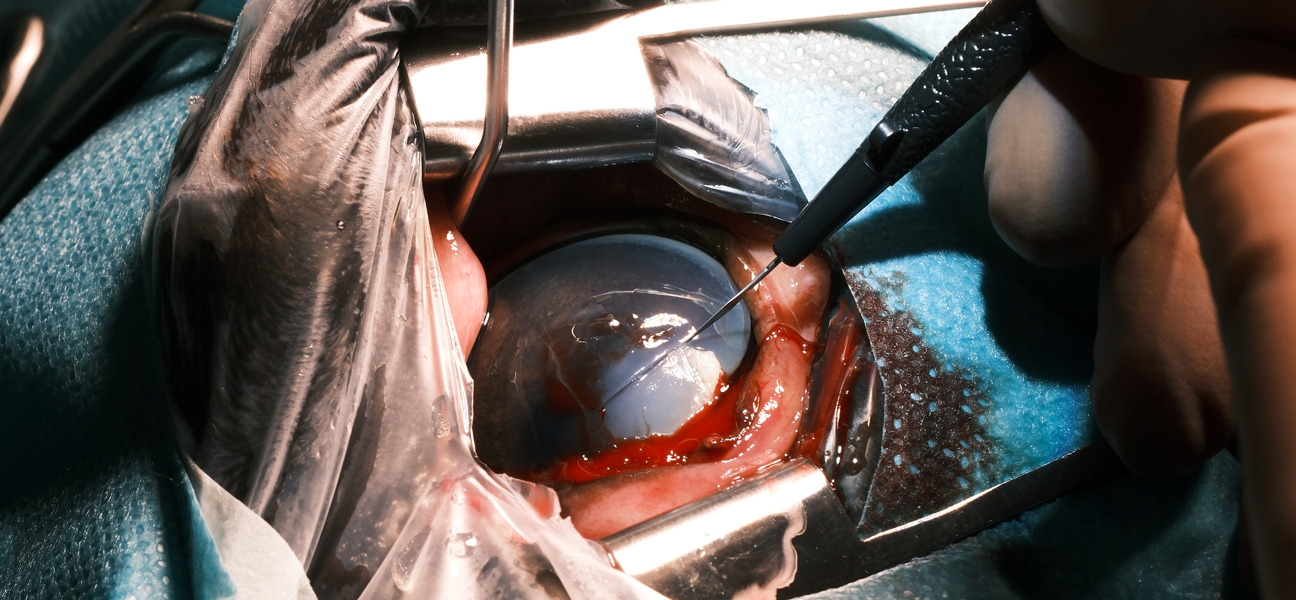
Keratectomy is a surgical ophthalmic procedure that involves the removal of diseased corneal tissue. Affected areas of the cornea are carefully outlined, dissected and removed using specialized microsurgical instruments.
Because the cornea is highly sensitive, the procedure is most commonly performed under general anesthesia. In selected cases and depending on the individual patient and underlying condition, keratectomy may also be carried out under local anesthesia with sedation. However, not all horses are suitable candidates for this approach.
Prior to surgery, horses receive topical antibiotic treatment. Immediately before the procedure, the eye is thoroughly flushed with antiseptic solutions and the periocular area is carefully prepared. Postoperatively, intensive local therapy is required to promote uncomplicated healing.
Depending on the extent and location of the corneal disease, keratectomy can result in a relatively large corneal defect. Healing may therefore take several weeks. In some cases, a subpalpebral lavage catheter is placed to allow frequent administration of ophthalmic medications without repeated manipulation of the eyelids. Systemic pain management and additional medications are provided as needed based on clinical findings and disease progression.
The most common indication for keratectomy is corneal inflammation or keratitis that cannot be adequately controlled with medical therapy alone. Underlying causes may vary and include both immune mediated and infectious processes.
Keratectomy may also be required for congenital corneal abnormalities, such as dermoids, or for chronic corneal lesions that fail to resolve with conservative treatment.
Keratectomy creates an exposed corneal wound surface that is susceptible to environmental influences. Despite strict hygiene protocols, close monitoring and intensive topical therapy, secondary corneal infections may occur.
Such infections can prolong healing time, necessitate repeat surgical intervention and, in unfavorable cases, result in loss of vision or loss of the eye. Depending on the depth of the keratectomy and the underlying disease, healing may occur with scar formation. Corneal scarring can lead to varying degrees of opacity, which are not always reversible.
In horses with immune mediated keratitis, recurrence of disease has been described despite successful initial treatment.

We kindly ask you to schedule appointments by phone. This way, we can plan the best treatment for your horse individually and directly.
+49 4282 - 5946340Please note our separate visiting hours.
Bitte vereinbaren Sie einen Besuchstermin im Voraus. Planen Sie etwa 1 Stunde ein und berühre bitte nur dein eigenes Pferd.
Our clinic is available around the clock for emergencies.In case of an emergency, please call us immediately.