Colic is not a single disease but a collective term describing abdominal pain in horses, ranging from mild discomfort to life threatening conditions. As the most common veterinary emergency in horses, colic always requires prompt assessment and action.
Clinical signs result from a wide variety of disorders affecting the gastrointestinal tract or adjacent organs and can vary significantly in severity and presentation.
Colic in horses can have many different underlying causes. The most common include:

Colic can present in many different ways. Common signs include:
Even subtle signs should be taken seriously, as they may indicate the early stages of a serious condition.
The course of colic depends largely on the underlying cause. Some forms respond quickly to simple medical treatment, while others can deteriorate rapidly and require intensive care or surgery.
If left untreated, colic may lead to severe circulatory compromise, intestinal rupture and ultimately death. Early intervention is therefore critical.
Diagnostic procedures are tailored to the individual clinical presentation. Standard diagnostics include:
Differential diagnoses range from gastric inflammation to primary liver disease.
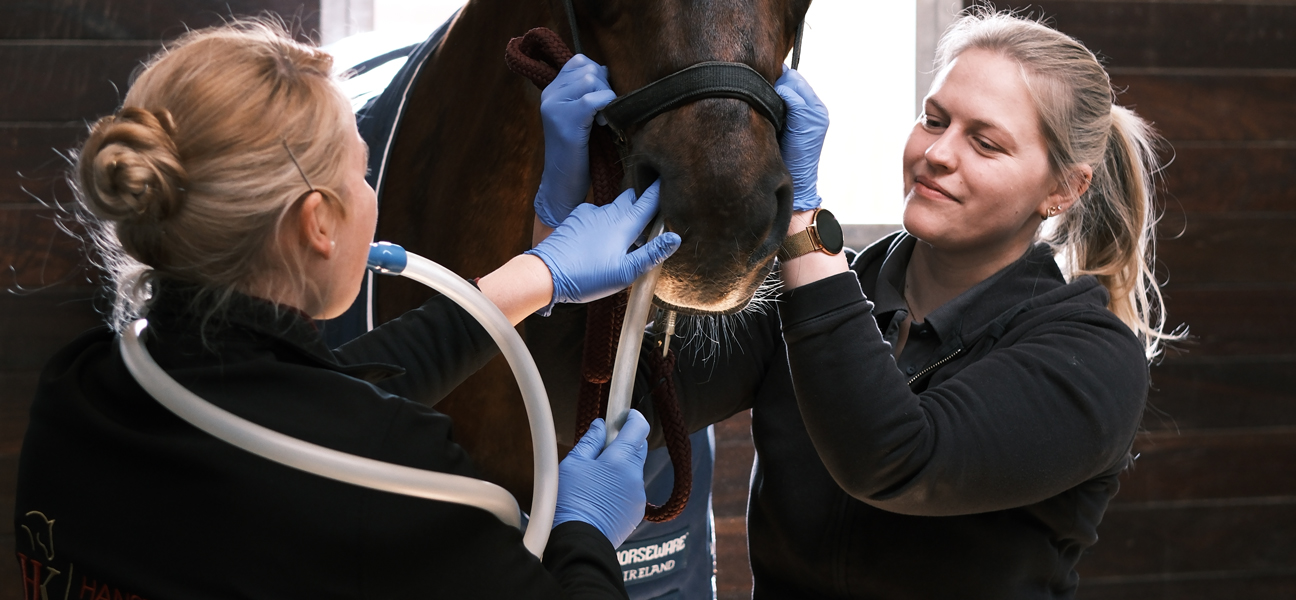
Treatment is always based on the underlying cause and disease severity. Possible measures include:
In severe cases, exploratory laparotomy under general anesthesia is required. This is typically followed by a hospital stay of approximately ten days and a recovery period lasting several weeks

Our intensive care stalls are fully equipped with infusion systems and are available at all times.
Prognosis depends strongly on the cause of colic and the timing of treatment.
Rapid diagnosis and consistent treatment significantly improve survival rates.
The risk of colic can be significantly reduced through appropriate feeding management. This includes providing 1.5 to 2 kilograms of hay per 100 kilograms of body weight, high quality forage, avoiding abrupt feed changes, ensuring constant access to clean water, regular exercise, routine dental care, low stress management and a targeted deworming program.
Initially, only small amounts of hay are offered. Depending on the cause and recovery, mash may be added. Horses returning to pasture should be reintroduced to grass gradually. Horses with dental issues require individualized feeding adjustments.
This depends on the severity of the colic. In most cases, we recommend at least one week of gradual reintroduction with predominantly walking exercise after discharge from the clinic. Exact activity levels are defined individually and documented in the discharge report.
Colic is not a single disease but a collective term describing abdominal pain in horses, ranging from mild discomfort to life threatening conditions. As the most common veterinary emergency in horses, colic always requires prompt assessment and action.
Clinical signs result from a wide variety of disorders affecting the gastrointestinal tract or adjacent organs and can vary significantly in severity and presentation.
The risk of colic can be significantly reduced through appropriate feeding management. This includes providing 1.5 to 2 kilograms of hay per 100 kilograms of body weight, high quality forage, avoiding abrupt feed changes, ensuring constant access to clean water, regular exercise, routine dental care, low stress management and a targeted deworming program.
Initially, only small amounts of hay are offered. Depending on the cause and recovery, mash may be added. Horses returning to pasture should be reintroduced to grass gradually. Horses with dental issues require individualized feeding adjustments.
This depends on the severity of the colic. In most cases, we recommend at least one week of gradual reintroduction with predominantly walking exercise after discharge from the clinic. Exact activity levels are defined individually and documented in the discharge report.
We kindly ask you to schedule appointments by phone. This way, we can plan the best treatment for your horse individually and directly.
+49 4282 - 5946340Please note our separate visiting hours.
Bitte vereinbaren Sie einen Besuchstermin im Voraus. Planen Sie etwa 1 Stunde ein und berühre bitte nur dein eigenes Pferd.
Our clinic is available around the clock for emergencies.In case of an emergency, please call us immediately.

We kindly ask you to schedule appointments by phone. This way, we can plan the best treatment for your horse individually and directly.
+49 4282 - 5946 340Please note our separate visiting hours.
Please schedule your visit in advance. Allow approximately 1 hour, and kindly only touch your own horse.
Our clinic is available around the clock for emergencies.In case of an emergency, please call us immediately.

We kindly ask you to schedule appointments by phone. This way, we can plan the best treatment for your horse individually and directly.
+49 4282 - 5946 340Please note our separate visiting hours.
Bitte vereinbare einen Besuchstermin im Voraus. Plane etwa 1 Stunde ein und berühre bitte nur dein eigenes Pferd.
Our clinic is available around the clock for emergencies.In case of an emergency, please call us immediately.