When a horse needs surgery, owners have many questions: How does the preparation work? When is surgery really necessary? And what actually happens during the procedure?
Together with hobby breeder Patrick Thomalla, we were able to answer these questions using his horse Vred as an example, and we documented the whole process, from his arrival at the Hanseklinik to the surgical procedures. Vred underwent both chip removal surgery and castration at our clinic.
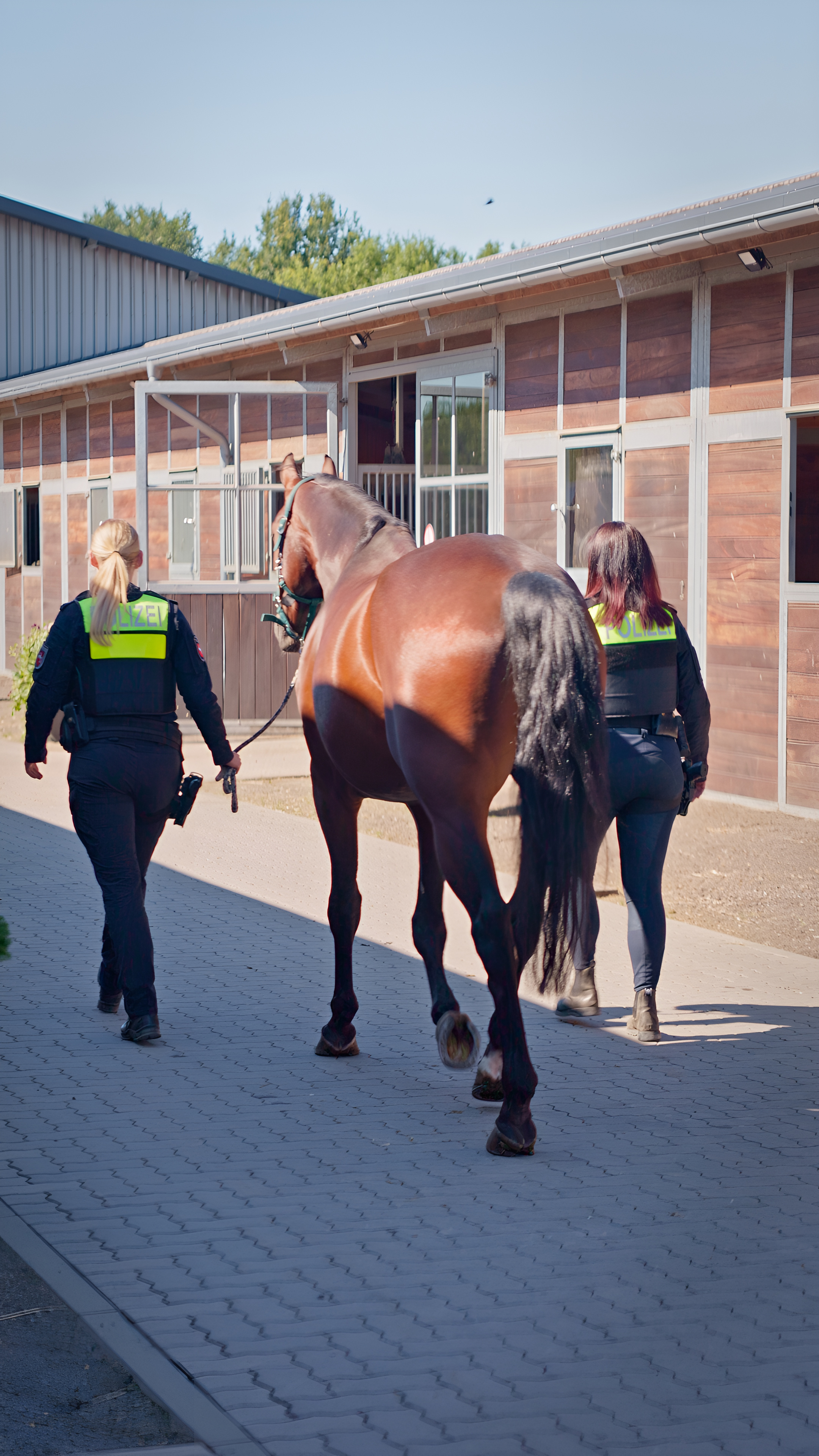
Every successful operation begins long before the procedure itself. After arriving at the Hanseklinik, Vred was first admitted in a structured registration process. He was then settled into his stall and prepared for the upcoming examinations.
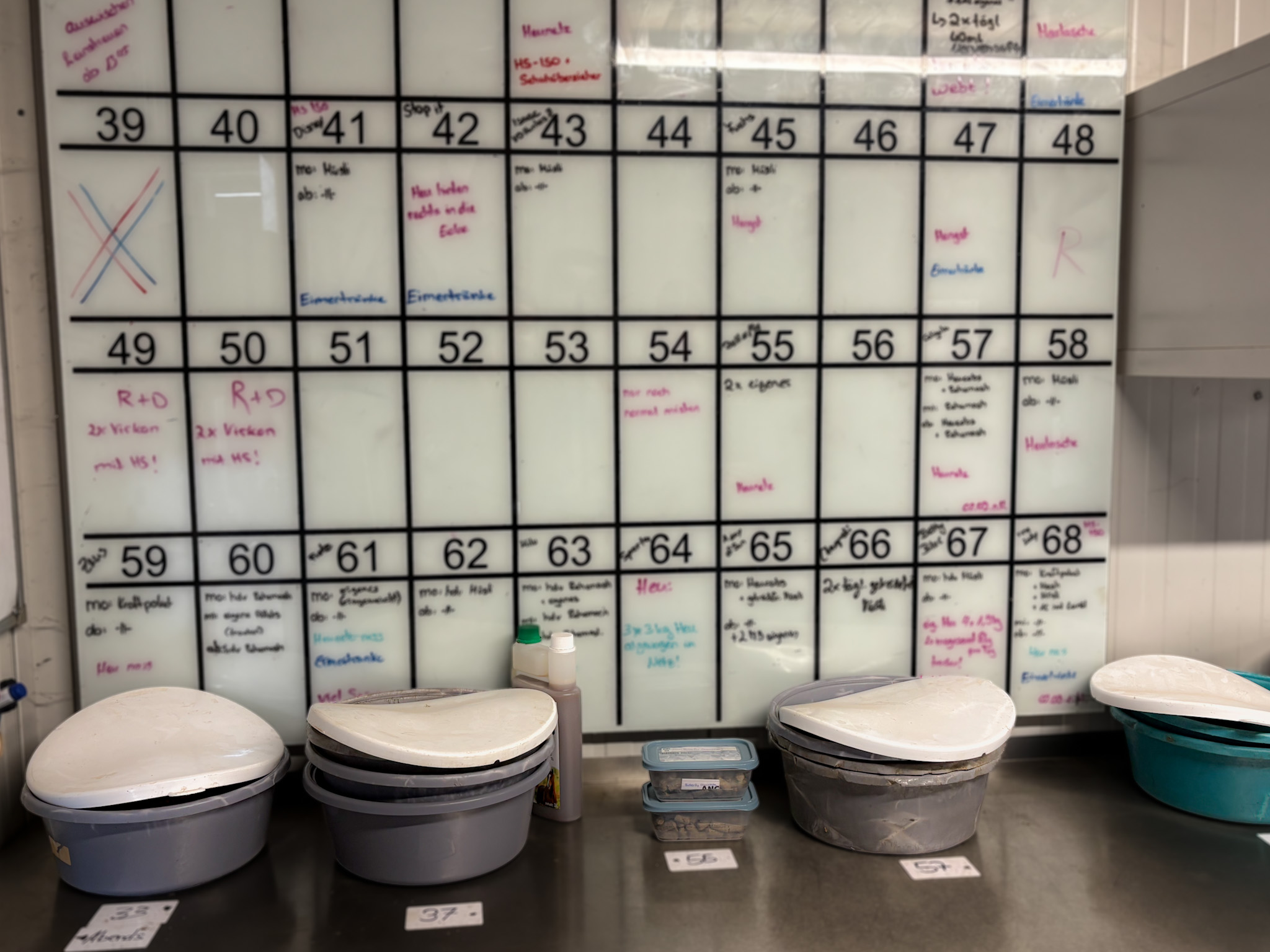
Besides organizational procedures, adjusted feeding also plays an important role. The aim is to prepare both horse and owner well for the treatment and to keep the clinic stay as low in stress as possible.
This phase already made one thing clear: careful preparation is an essential part of successful treatment.
Every operation is preceded by a thorough medical examination. Our head of surgery, Dr. Andrea Noguera Cender, explained the necessary steps and the background of chip removal surgery to Patrick Thomalla.
This included:
Especially when removing chip fragments, it is essential to weigh the possible risks carefully against the expected benefit. The examination provides the basis for a sound medical decision and allows individually adapted treatment.
Patrick Thomalla had the opportunity to accompany his horse's surgery and get a rare look behind the scenes of our operating area.
During the procedure, Dr. Andrea Noguera Cender and clinic director Dr. Olivier Brandenberger explained the individual surgical steps and the underlying findings.
Chip removal surgery is used to remove loose bone or cartilage fragments from a joint. These chips can cause pain, promote inflammation and reduce a horse's performance in the long term. Removing them can improve joint health and the horse's long-term freedom of movement.
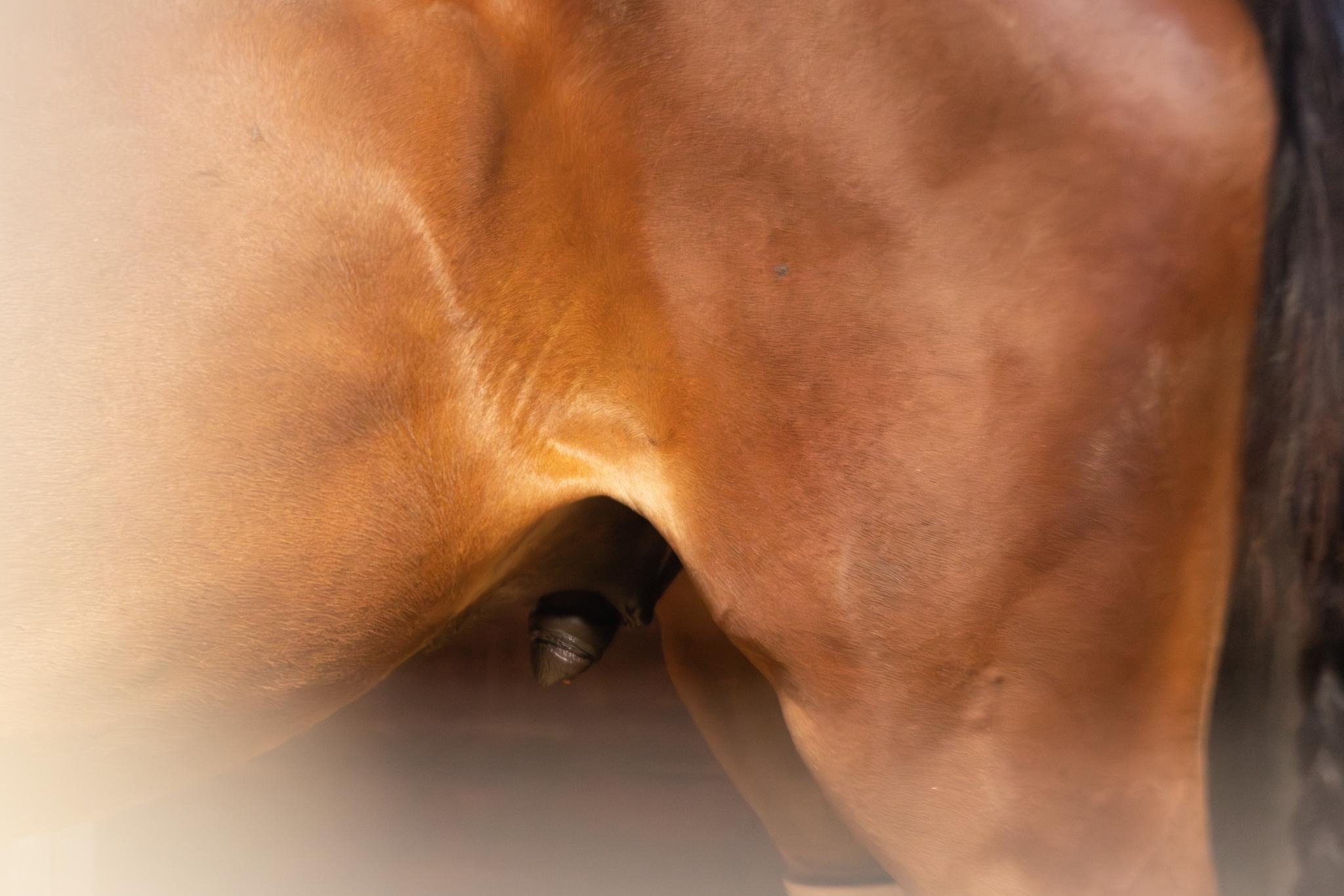
In addition to the chip removal surgery, Vred was also castrated. This topic concerns many horse owners and breeders alike.
Dr. Olivier Brandenberger discussed with Patrick Thomalla in detail when castration can make sense and which factors should be considered in the decision. These include:
Using Vred as an example, the different factors in the decision could be explained in a practical way.
For the castration as well, Patrick had the opportunity to follow the procedure up close. Our team explained the individual steps and answered questions about preparation, the procedure and aftercare.
Castration is one of the most common surgical procedures in horses. Nevertheless, it requires careful planning, sterile conditions and professional aftercare to support healing as well as possible.
The stay of Patrick Thomalla and his horse Vred shows how many carefully coordinated steps lie behind a successful operation. From registration and diagnostics to the surgical procedures and aftercare, an experienced team works hand in hand to give every horse the treatment it needs.
We would like to thank Patrick Thomalla for his trust and for the opportunity to document this clinic stay. For us, transparency is an important part of modern equine medicine. Well-informed horse owners can better understand medical decisions and make them together with the treating team.
We wish Vred a continued quick recovery and all the best for the future.
We documented the case in a total of six parts on social media.
Part 1: Arrival at the Hanseklinik

Part 2: The pre-surgical examination

Part 3: The chip removal surgery


Part 5: The castration surgery


We kindly ask you to schedule appointments by phone. This way, we can plan the best treatment for your horse individually and directly.
+49 4282 - 5946 340Please note our separate visiting hours.
Please schedule your visit in advance. Allow approximately 1 hour, and kindly only touch your own horse.
Our clinic is available around the clock for emergencies.In case of an emergency, please call us immediately.