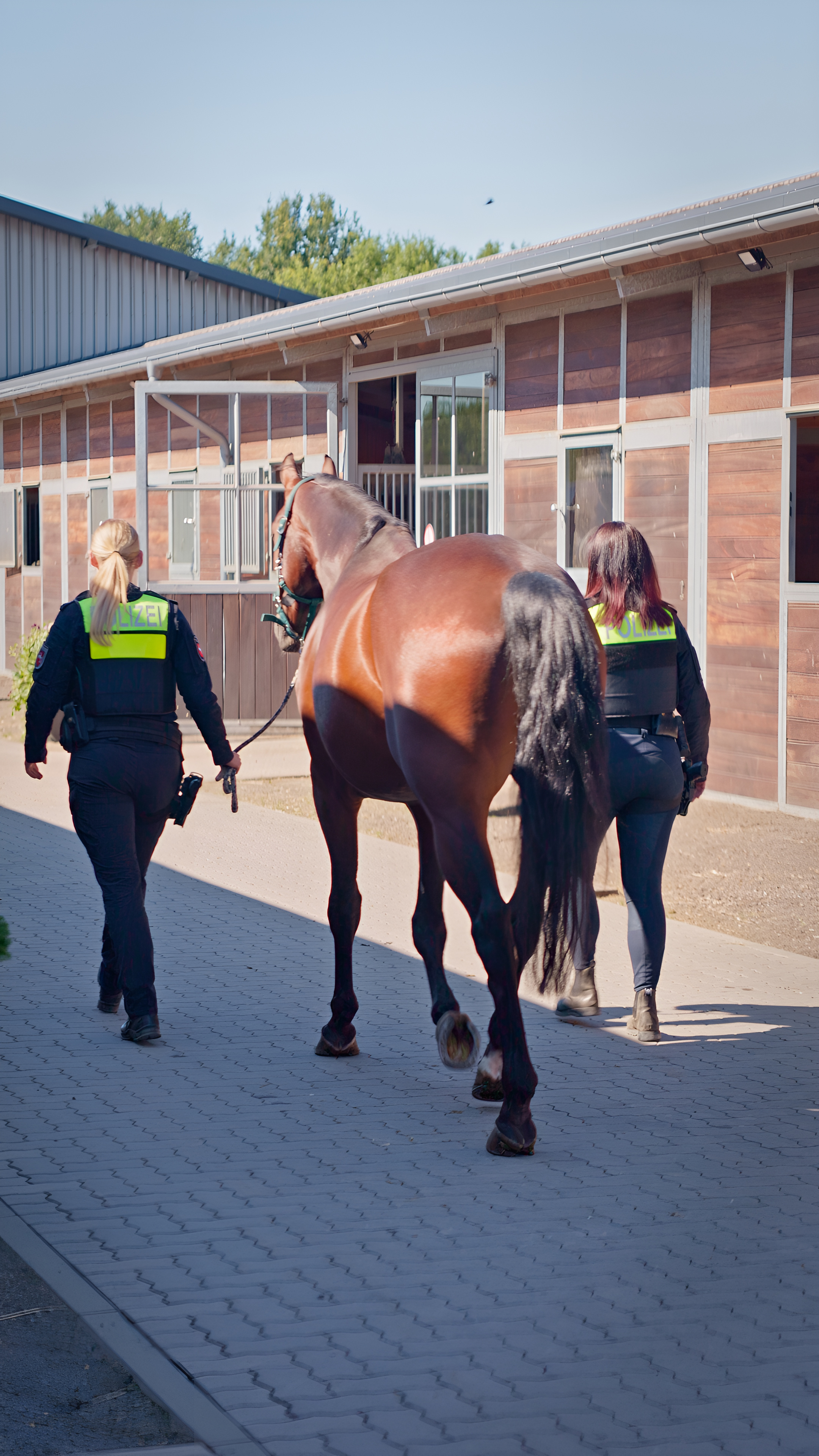
Coughing, nasal discharge and reduced willingness to perform: these symptoms call for caution. They may point to chronic respiratory disease, which should not be dismissed as a simple cold. Chronic respiratory diseases are usually multifactorial and can therefore have several causes. Besides genetic predisposition or previous infectious diseases, factors in the horse's immediate environment play an important role. Inhaled dust and gases, such as mold spores, dust particles or ammonia, can trigger excessive reactions in the airways. Diseases with an allergic component are also common.
Identifying the individual triggers is very important for targeted prevention and treatment. In this context, Jennifer Bormann points to the effects of climatic conditions: “With non-infectious respiratory diseases and allergies, the effects of climate change should not be overlooked. Long periods of drought dry out the ground in pastures and arenas. The resulting dust exposure during training and during feeding and rest periods is a major problem for horses. Regular watering of the grounds or a switch to low-dust alternatives is therefore advisable.” According to Jennifer Bormann, these factors must be included when investigating the causes in each patient. A thorough history covering housing and feeding management as well as existing or previous diseases is essential for managing horses with chronic diseases successfully in the long term.
Coughing, nasal discharge and abdominal breathing: recognizing and diagnosing the symptoms
Chronic respiratory diseases in horses, such as equine asthma (formerly COB, RAO/IAD), have certain similarities to human asthma. Both are multifactorial diseases that cannot be cured. For this reason, the focus is on avoiding allergens, combined with medication during periods of worsening (exacerbation).
As soon as the airways are affected, characteristic symptoms appear. Besides coughing, these include nasal discharge, which is coughed up from the lungs and released through the nose. Breathing also changes. Breathing becomes much harder for the horses, so they breathe faster and with more effort. This is referred to as abdominal breathing. Besides the obvious symptoms, respiratory diseases also have a considerable effect on the structure of the lungs. Repeated irritation of the lungs leads to remodeling of the tissue. Over time, more mucus-producing cells and glands form, more connective tissue is deposited and the muscle layer thickens. In the long term, these changes can severely limit how well the horse's lungs function. Once this remodeling has progressed, it is almost irreversible. To prevent it from getting that far, advanced diagnostic procedures are used that help detect chronic respiratory disease in time.
Reducing causes and relieving symptoms: modern treatment options
The Hanseklinik für Pferde offers modern treatment options for chronic respiratory diseases in horses. Treatment aims to reduce inflammation in the airways, improve mucus clearance and widen the airways. Bronchodilators and anti-inflammatory drugs can be used for this, either systemically (orally) or by inhalation. In some cases, anti-allergic treatment can also help to reduce the body's reaction. However, every treatment must be based on good stable and feeding management, less dust exposure and good ventilation of the stable, to minimize the triggers and prevent further asthma attacks. If this is not done, purely symptomatic treatment often leads to renewed attacks soon after the medication is stopped.
The increase in many diseases, especially those affecting the airways, can be attributed to climate change. However, the main causes still include poor housing conditions, poor roughage quality and poor management (too little fresh air, too little exercise, etc.). Some causes can be reduced directly or even eliminated; for others, only veterinary treatment offers a solution. In any case, horse owners should keep climate change in mind, pay more attention than ever to their horse's well-being and consult a vet at the first signs, so that the progression of the disease can be slowed as far as possible.
_________________________________________________________________________
Jennifer Bormann is an equine veterinarian at the Hanseklinik.
She works on the causes, diagnostic procedures and modern treatment options for chronic respiratory diseases.


We kindly ask you to schedule appointments by phone. This way, we can plan the best treatment for your horse individually and directly.
+49 4282 - 5946 340Please note our separate visiting hours.
Please schedule your visit in advance. Allow approximately 1 hour, and kindly only touch your own horse.
Our clinic is available around the clock for emergencies.In case of an emergency, please call us immediately.